

Closing defects and restoring cover after injury, cancer and burns — with honest limits.
The flap and graft reconstruction service of Chongqing West District Hospital rebuilds skin and soft tissue that trauma, tumour surgery, burns and scarring have taken: split-thickness and full-thickness skin grafts, local, regional and free flaps, scar contracture release, and reconstruction of facial and scalp defects — planned stage by stage, backed by the full resources of a tertiary general hospital.
Cover and function first, staged planning, and the full safety net of a tertiary general hospital behind every reconstruction.
- Evidence-based care
- Cover and function before appearance
- Honest risk and benefit discussions
- Tertiary-hospital safety net
Reconstruction that starts with the defect, not a technique
Whether it is a burn scar tethering a joint, an open wound over exposed bone, or a defect after skin cancer removal, every plan follows the same three principles.
Assess & stage
Structured assessment of the defect, the tissue available, and what matters most to you — and an honest statement of what reconstruction can and cannot restore. Many problems are solved in planned stages, not one operation.
Rebuild safely
Grafts and flaps deserve real safety: hospital-grade anesthesia, imaging and laboratory workup, close postoperative flap monitoring, and intensive-care backup behind every operation.
Rehabilitate & refine
Healing is staged and honest — a graft takes in about a week, a flap settles over weeks, scars mature over a year or more, and splinting or therapy after contracture release is prescribed with the same care as the operation. We stay with you through that whole arc.
Dedicated specialists within a tertiary hospital
The leadership team of the Plastic Surgery & Aesthetics Medical Center brings together specialists in plastic and reconstructive surgery, aesthetic surgery, skin and laser care, and dermatology, with the full safety net of a tertiary general hospital behind every operation.
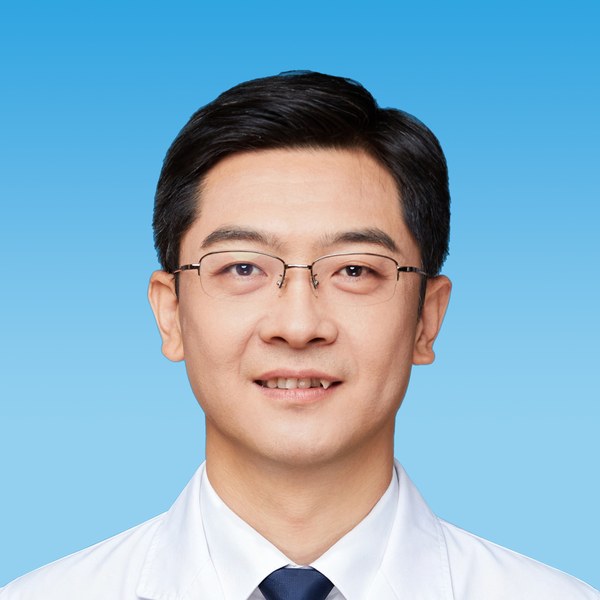
Shaoliang Wang, MD (王韶亮)
Flap & Graft Reconstruction · Center Director
Center Director and lead of this site’s reconstruction content; skin grafting, local and free flap reconstruction, scar contracture release, and the repair of facial and scalp soft-tissue defects, with 20+ years of tertiary-hospital surgical experience.
View profile →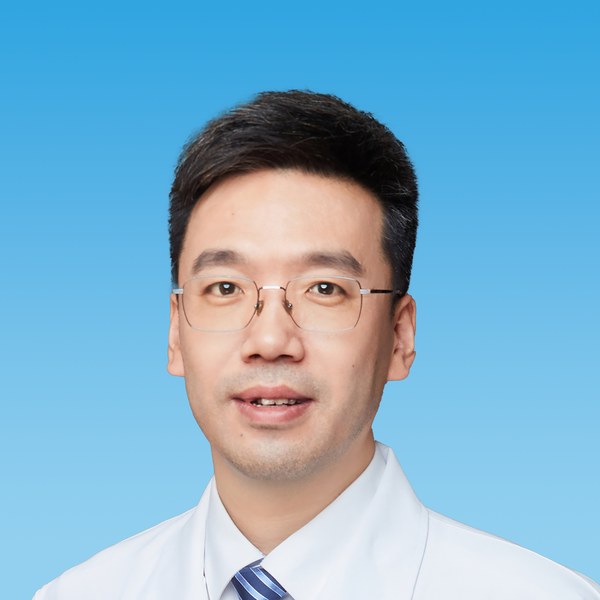
Tongchun Mao, MD (毛彤春)
Aesthetic Surgery · Deputy Director
Deputy Director and head of aesthetic surgery; applies facial-feature surgery skills and aesthetic closure principles to reconstructive defects, so that repaired tissue looks as natural as it functions.
View profile →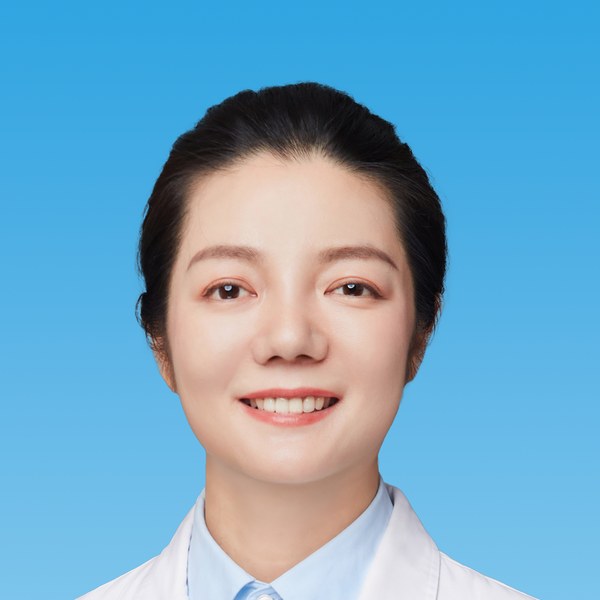
Ke He, MD (何锞)
Skin & Laser Aesthetics · Deputy Director
Deputy Director and head of skin and laser aesthetics; leads scar prevention and laser scar management after grafting and flap surgery, and optimises skin quality before and after reconstruction.
View profile →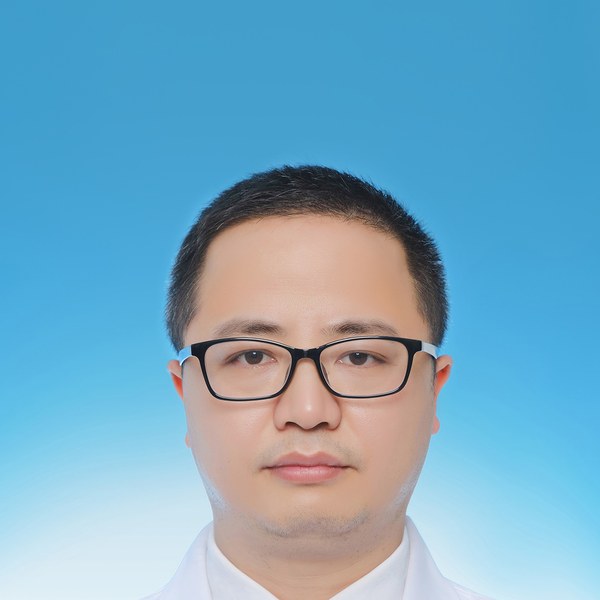
Yongbo Jia, MD (贾勇波)
Dermatology · Deputy Director
Deputy Director and head of dermatology; preoperative skin assessment, skin tumour triage, and the dermatologic aftercare that grafted and flap-covered skin depends on.
View profile →Grafts, flaps and reconstruction, explained honestly
Start with the basics: what each procedure can and cannot achieve, the donor-site scars and downtime it costs, the risks worth knowing, and what happens when a graft or flap does not survive.
The Reconstructive Ladder: From Direct Closure to Free Tissue Transfer
How surgeons choose between direct closure, skin grafts, local flaps and free tissue transfer, and why the simplest repair that will work is usually the right one.
Read the guide →Skin Grafts: Split-Thickness and Full-Thickness
How split-thickness and full-thickness skin grafts work, what a graft needs in order to take, and why graft failure is not the same thing as infection.
Read the guide →Graft Donor Sites: Where Skin Is Taken and How It Heals
Where split-thickness and full-thickness skin graft donor sites are taken from, how each type heals, and the permanent scar it leaves behind.
Read the guide →Local Flaps: Advancement, Rotation and Transposition
The three families of local flap, advancement, rotation and transposition, and why moving skin with its own blood supply usually beats a graft on the face.
Read the guide →Regional and Free Flaps: Moving Tissue With Its Own Blood Supply
What a pedicled or free flap does, why free tissue transfer exists, and what it means to move tissue with its own blood supply.
Read the guide →Monitoring a Flap: Colour, Temperature and Warning Signs
How flaps are monitored after surgery using colour, temperature, capillary refill and bleeding, and the warning signs that mean a flap is compromised.
Read the guide →We will not sell you certainty we do not have
No surgeon can promise that a graft will take completely, that a flap will survive, or that one operation will solve everything. Anyone who does is not giving you honest medical advice. Our job is to help you make a well-informed decision — even when that decision is to wait, to stage the plan, or to aim for stable cover rather than a perfect result.
Ready to discuss reconstruction of a defect?
Reach out for a consultation. We will assess the wound or defect, explain the graft, flap and expansion options honestly, and plan reconstruction stage by stage with you.
Part of Reconstructive Surgery — 9 sites on this topic